Apple Watch Ultra 3: 72-Hour GPS Endurance Test Review
Anúncios
The Apple Watch Ultra 3 combines a durable titanium design, advanced GPS tracking, satellite connectivity, and up to 72 hours of battery life in Low Power Mode, offering practical features for outdoor enthusiasts.
This Apple Watch Ultra 3 hardware review explores the smartwatch's battery performance, navigation capabilities, durable construction, and integrated safety features for demanding outdoor activities.
Designed for athletes and adventurers, the device combines advanced wearable technology with improved energy management, helping users monitor activities and remain connected across different environments.
However, its advertised 72-hour battery life requires specific power-saving settings. Understanding the distinction between everyday battery endurance and continuous GPS tracking is essential before purchasing.
Unveiling the Apple Watch Ultra 3's Core Hardware
The Apple Watch Ultra 3 features a robust titanium case, a sapphire front crystal, and internal components designed to support demanding athletic and outdoor activities.
Its 49-millimeter case accommodates a large display, physical controls, and specialized sensors that provide useful information during workouts, wilderness exploration, and everyday activities.
These hardware characteristics combine durability with smartwatch functionality, making the device an attractive option for individuals who prioritize outdoor performance alongside connected lifestyle features.
Enhanced Chipset and Sensor Array

The Apple Watch Ultra 3 utilizes the S10 system-in-package, featuring a 64-bit dual-core processor and a four-core Neural Engine for supported on-device processing tasks.
Its integrated sensor system includes optical and electrical heart sensors, a compass, an altimeter, a depth gauge, and a water temperature sensor for compatible activities.
Precision dual-frequency GPS supports location tracking across challenging environments, although actual accuracy depends on satellite visibility, surrounding structures, atmospheric conditions, and other environmental factors.
Display Technology and Outdoor Visibility
The always-on Retina display incorporates wide-angle OLED technology and an LTPO3 architecture, designed to improve visibility and energy management across different viewing conditions.
With a peak brightness of up to 3,000 nits, the screen can provide strong outdoor readability when checking workout metrics, navigation information, or incoming notifications.
Night Mode on compatible watch faces offers additional flexibility in low-light environments, although screen brightness and display settings can influence overall battery consumption.
Titanium Construction and Physical Controls
The smartwatch's Grade 5 titanium construction provides a combination of relatively lightweight materials and structural durability suitable for everyday wear and demanding recreational activities.
A customizable Action button allows users to access selected functions quickly, while the Digital Crown and side button provide additional methods of interacting with the device.
Physical controls can be particularly valuable during outdoor activities when interacting with a touchscreen becomes less convenient because of movement, moisture, or certain environmental conditions.
The 72-Hour Battery Endurance: A Deep Dive
Battery endurance is a central consideration in this Apple Watch Ultra 3 hardware review, particularly for individuals planning extended hikes, endurance events, or multi-day outdoor adventures.
Apple advertises up to 42 hours of battery life during normal use and up to 72 hours when the smartwatch operates in Low Power Mode.
Continuous outdoor workout tracking has a different estimated endurance, reaching approximately 20 hours in Low Power Mode with full GPS and heart rate readings enabled.
Methodology Behind Apple's Battery Testing
Apple's battery testing combines everyday activities such as checking the time, receiving notifications, using applications, completing workouts, and monitoring sleep over defined testing periods.
The advertised 72-hour estimate includes limited workout sessions and connectivity usage rather than three consecutive days of uninterrupted satellite positioning and continuous outdoor workout tracking.
According to the official Apple Watch Ultra 3 announcement, continuous outdoor workout endurance reaches approximately 20 hours with full tracking in Low Power Mode.
Understanding Real-World Battery Performance
Actual battery endurance may differ from manufacturer estimates depending on display brightness, cellular connectivity, application usage, workout duration, environmental temperatures, and overall device configuration.
Users who frequently stream music, make calls, or maintain cellular connections in areas with weak coverage may experience higher battery consumption during outdoor activities.
Planning charging opportunities remains important for longer expeditions, particularly when navigation and emergency communication capabilities are expected to remain available throughout several consecutive days.
Continuous GPS Tracking Versus Everyday Use
Continuous GPS tracking requires the device to collect location information repeatedly, process workout measurements, and maintain activity records throughout the duration of an outdoor exercise session.
Everyday smartwatch use involves different patterns of activity, with periods of reduced processing demand that allow the device to conserve energy between individual tasks.
Understanding these differences prevents unrealistic expectations about battery performance and helps adventurers select appropriate tracking settings according to their planned activities and available charging resources.
Performance in Extreme Conditions
The Apple Watch Ultra 3 incorporates protective construction and environmental specifications intended to support activities involving challenging weather, outdoor exposure, and selected water-based recreational sports.
Apple reports testing the device against selected MIL-STD 810H procedures covering environmental conditions such as temperature extremes, altitude, vibration, immersion, and exposure to freezing conditions.
Nevertheless, these specifications do not guarantee uninterrupted performance in every environment, and users should remain within the manufacturer's recommended operating conditions during outdoor activities.
Temperature and Pressure Resilience
Apple specifies an on-wrist operating temperature range of approximately minus 4 degrees Fahrenheit to 130 degrees Fahrenheit for the Apple Watch Ultra 3.
Battery performance may decline in particularly cold conditions, while excessive heat can affect charging behavior, device operation, and the availability of certain smartwatch features.
Users should account for environmental temperatures when planning extended activities, recognizing that manufacturer operating limits do not guarantee identical performance across every supported temperature range.
Water Resistance and Recreational Diving
The Apple Watch Ultra 3 provides a water-resistance rating of 100 meters under applicable testing standards, supporting swimming and selected high-speed water sports.
For recreational scuba diving, Apple specifies a maximum supported depth of 40 meters when using compatible applications and appropriate equipment for the intended activity.
Water resistance can decrease over time, making regular equipment inspection and adherence to manufacturer instructions important before undertaking diving or other demanding aquatic activities.
Protection Against Dust and Physical Exposure
The smartwatch carries an IP6X dust-resistance rating, providing protection against dust ingress under defined laboratory testing conditions relevant to various outdoor activities.
Its titanium enclosure and sapphire front crystal are designed to resist everyday wear, although scratches, impacts, and physical damage remain possible during demanding use.
Individuals undertaking specialized expeditions should evaluate whether additional protective equipment or dedicated navigation instruments are necessary for the specific environmental risks associated with their activities.
Navigation and Mapping Capabilities
Navigation is another important aspect of this Apple Watch Ultra 3 hardware review, particularly for runners, hikers, cyclists, and individuals exploring unfamiliar outdoor environments.
The smartwatch combines satellite positioning, compass information, elevation measurements, and compatible mapping applications to provide useful location-related information during supported activities.
Navigation capabilities depend on software configuration, available map data, environmental conditions, and remaining battery capacity, making preparation important before traveling into remote areas.
Precision GPS and Backtrack Functionality
Dual-frequency satellite positioning uses L1 and L5 signals to help improve location measurements in environments where reflections or physical obstructions may affect conventional GPS performance.
The Backtrack feature allows users to record their route and retrace previously traveled paths, providing additional navigation assistance when exploring unfamiliar locations.
Although these tools can support outdoor navigation, users should avoid relying exclusively on a smartwatch when undertaking activities where accurate positioning is essential for safety.
Using Offline Maps During Outdoor Adventures
Compatible offline mapping features allow users to access previously downloaded map information in supported circumstances without depending entirely on an active mobile data connection.
Before entering remote locations, verify that the required maps, routes, and navigation information are available directly through the applications and devices intended for use.
Carrying an appropriate backup navigation method remains advisable, especially during extended expeditions where software problems, battery depletion, or environmental conditions could affect connected devices.
Health and Safety Features for Adventurers
The Apple Watch Ultra 3 incorporates health monitoring and emergency assistance features that can provide useful information and additional support during everyday and outdoor activities.
Supported functions include heart rate monitoring, ECG capabilities, sleep tracking, and selected health notifications, subject to regional availability, eligibility requirements, and software compatibility.
These features are intended to support personal awareness rather than replace professional medical evaluation, emergency preparation, or dedicated safety equipment required for specialized activities.
Emergency SOS via Satellite and Medical ID
Satellite connectivity allows Apple Watch Ultra 3 users to access supported emergency communication services in eligible locations when conventional cellular and Wi-Fi networks are unavailable.
Medical ID can display important information such as emergency contacts, allergies, and selected medical details when users configure the feature and enable appropriate access settings.
Satellite communication requires suitable environmental conditions and service availability, meaning users should understand its limitations before relying on the feature during remote outdoor adventures.
Fall Detection and Crash Detection
Fall Detection can identify certain hard falls and initiate an emergency response process under supported conditions, depending on user settings, movement, and available communication services.
Crash Detection is designed to recognize certain severe vehicle collisions and assist with contacting emergency services when the required conditions for communication are available.
Neither feature detects every emergency, making appropriate supervision, safety planning, and established emergency procedures essential when participating in potentially hazardous outdoor or transportation activities.
Battery Management and Power Modes
Power management is an essential consideration when using the Apple Watch Ultra 3 for activities that extend beyond a typical day of smartwatch operation.
Low Power Mode reduces or limits selected background functions to preserve available battery capacity, allowing users to prioritize essential features according to their current needs.
Choosing appropriate settings before an extended activity helps create a more realistic balance between tracking capabilities, connected functionality, and the expected duration of device operation.
Optimizing Power for Extended Use
Low Power Mode can disable the always-on display and limit selected background measurements, notifications, and connectivity behaviors that contribute to overall smartwatch battery consumption.
Compatible outdoor walking, running, and hiking workouts also support settings that reduce the frequency of GPS and heart rate readings to extend endurance.
These additional power-saving settings involve trade-offs in measurement detail and workout functionality, making full tracking preferable whenever accurate activity records are a priority.
Fast Charging and Expedition Planning
The Apple Watch Ultra 3 supports fast charging when connected to appropriate charging equipment, helping users replenish battery capacity during available breaks between activities.
Apple estimates that approximately 15 minutes of charging can provide up to 12 hours of normal use, although actual performance depends on operating conditions.
For multi-day adventures, carrying a compatible charging cable and suitable portable power source can provide greater flexibility when conventional electrical outlets are unavailable.
Comparative Analysis with Previous Models
Comparing the Apple Watch Ultra 3 with its predecessor helps highlight meaningful improvements while identifying established features that remain relatively consistent between both smartwatch generations.
The Ultra 3 introduces the S10 chipset, updated display technology, satellite connectivity, and 5G cellular support, alongside improved battery endurance during normal daily use.
However, both generations already incorporate rugged titanium construction and precision dual-frequency GPS, meaning the newer model does not automatically represent a substantial improvement in every category.
Key Upgrades Over Ultra 2
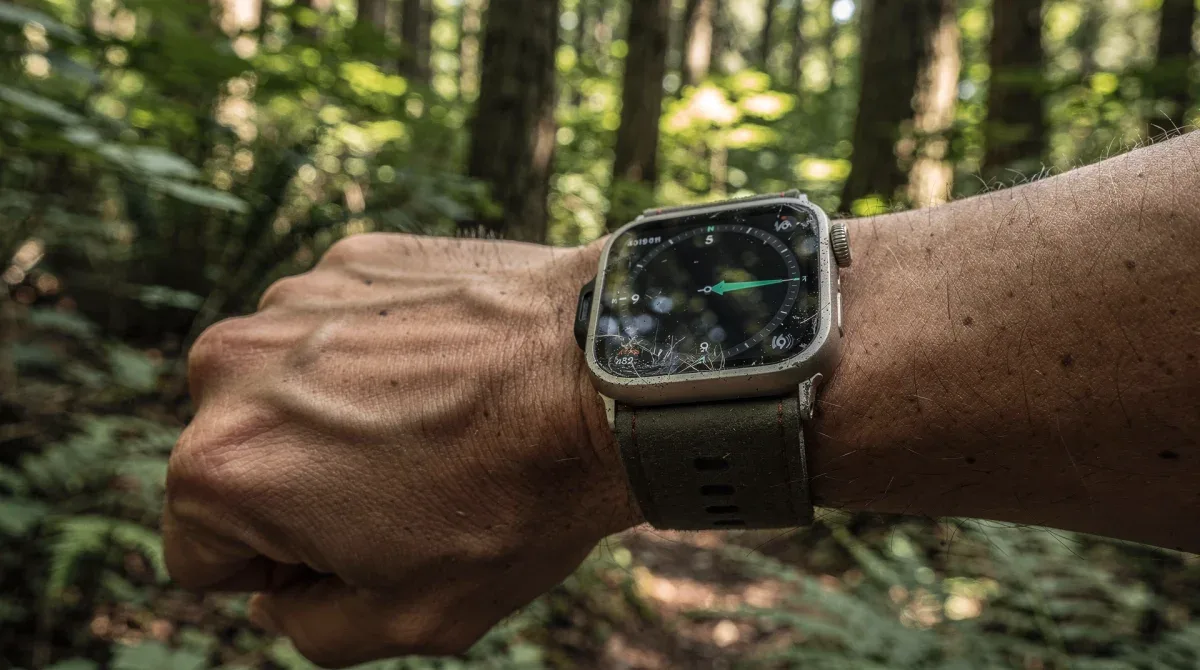
The Apple Watch Ultra 3 increases advertised normal-use battery endurance to 42 hours compared with the Ultra 2's previously advertised 36-hour normal-use battery life.
Its updated display architecture provides additional viewing flexibility, while satellite connectivity introduces communication capabilities that may be particularly valuable for users exploring eligible remote locations.
Both models offer a 100-meter water-resistance rating and support recreational diving to 40 meters, meaning the newer generation retains rather than increases these depth specifications.
Is the Apple Watch Ultra 3 Worth the Upgrade?
Existing Ultra 2 owners should consider how frequently they would benefit from longer battery endurance, satellite connectivity, updated display characteristics, and other generational improvements.
Individuals who primarily use their smartwatch for everyday notifications, conventional workouts, and general fitness monitoring may find that their current device continues meeting practical requirements.
For frequent outdoor adventurers, comparing these improvements with the cost of upgrading and the limitations of continuous GPS tracking can support a more informed purchasing decision.
Key Feature | Description |
|---|---|
Normal Battery Life | Up to 42 hours of normal smartwatch use under Apple's specified testing conditions. |
Low Power Mode | Up to 72 hours of battery endurance with selected power-saving features enabled. |
Continuous GPS Tracking | Up to 20 hours of outdoor workout tracking in Low Power Mode with full GPS and heart rate readings. |
Durability | Grade 5 titanium construction, sapphire front crystal, IP6X dust resistance, and 100-meter water resistance. |
Advanced Navigation | Precision dual-frequency GPS, compass, Backtrack functionality, and compatible mapping applications. |
Safety Features | Satellite connectivity, Emergency SOS, Fall Detection, Crash Detection, and configurable Medical ID. |
Frequently Asked Questions About Apple Watch Ultra 3
What is the primary highlight of the Apple Watch Ultra 3 hardware review?
Its main advantages include extended battery life, durable titanium construction, satellite connectivity, and advanced GPS tracking, with up to 72 hours in Low Power Mode.
How does the Apple Watch Ultra 3 perform in extreme temperatures?
Apple specifies an on-wrist operating range of minus 4 to 130 degrees Fahrenheit. Extreme temperatures may affect battery performance, including during wearable health and sleep monitoring.
Are the navigation features significantly improved in the Ultra 3?
The Ultra 3 retains precision dual-frequency GPS and useful navigation tools. When comparing wearable tracking technologies, distinguish established capabilities from newly introduced hardware improvements.
What new safety features are included for adventurers?
Satellite connectivity is a notable addition, complementing existing features such as Fall Detection, Crash Detection, Emergency SOS, and Medical ID, subject to availability and configuration.
How does the Ultra 3's battery management contribute to its endurance?
Low Power Mode limits selected background functions and display activity, helping extend battery endurance. Additional settings can reduce GPS and heart rate sampling during compatible workouts.
What this means
This Apple Watch Ultra 3 hardware review highlights a capable outdoor smartwatch that combines durable construction, useful navigation tools, extended battery life, and integrated communication features.
Prospective buyers should distinguish the advertised 72-hour Low Power Mode endurance from continuous GPS tracking and consider alternatives such as the Garmin Fenix 8 when comparing expedition requirements.
Ultimately, the Apple Watch Ultra 3 offers an attractive balance of smartwatch functionality and outdoor capabilities, provided users understand its operating limitations and realistic battery expectations.