Traeger Ironwood 650 Review: Sub-Zero Stability & Pellet Use
Advertisements
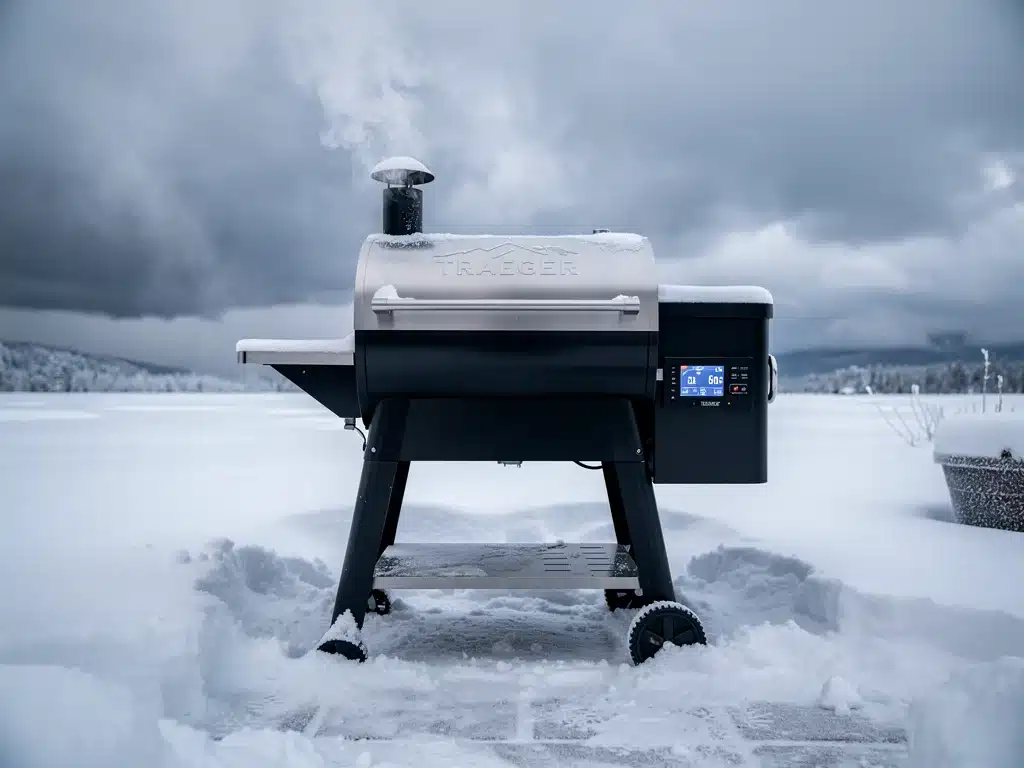
This Traeger Ironwood 650 Review examines how the pellet grill performs during freezing winter conditions. Temperature stability and pellet consumption are the main areas evaluated throughout the guide.
Cold weather places additional demands on pellet grills, making heat retention and fuel efficiency especially important. Understanding these factors helps users plan longer winter cooking sessions more effectively.
The analysis also considers insulation, controller technology, WiFIRE features, maintenance, and everyday usability. Together, these factors provide a broader view of the Ironwood 650’s cold-weather performance.
Advertisements
Evaluating Traeger Ironwood 650 Temperature Stability in Cold
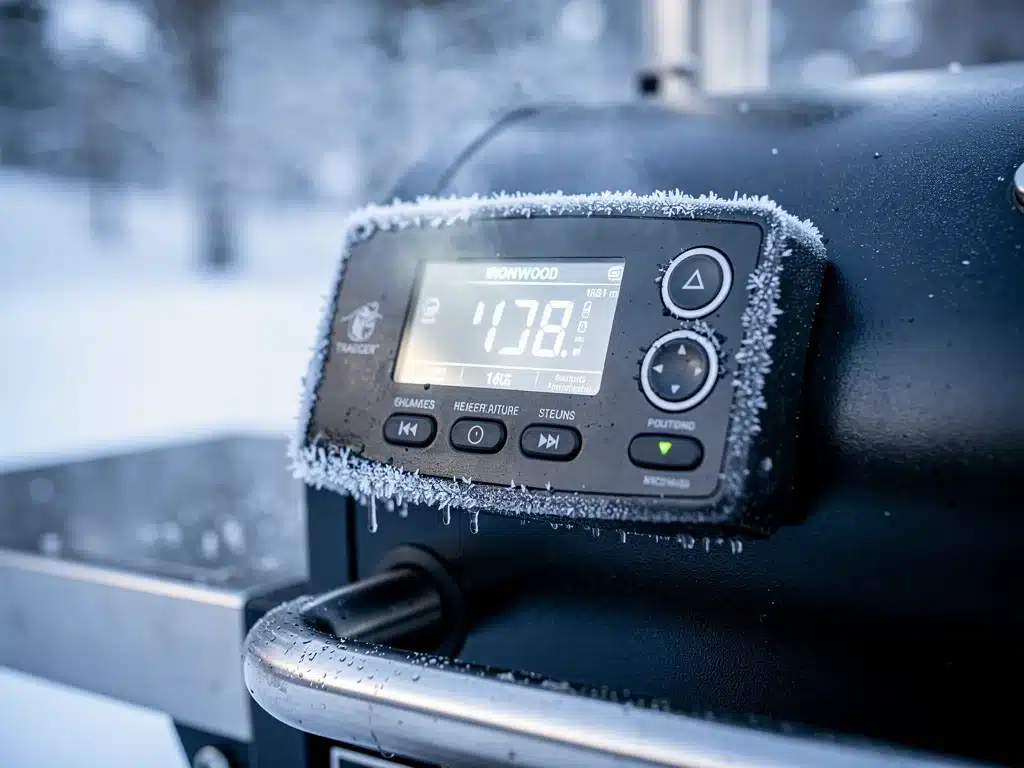
Temperature stability becomes especially important when a pellet grill operates in freezing conditions. External cold can increase heat loss and force the system to work harder to maintain its target.
Testing focused on extended cooking sessions in ambient temperatures ranging from 0°F to -10°F. The grill’s D2 Direct Drive and TurboTemp systems were observed as temperatures changed.
The Ironwood 650 generally remained close to its selected temperature during these conditions. This consistency is important for both slow smoking and recipes requiring predictable cooking temperatures.
Consistent Heat Output in Freezing Conditions
The Ironwood 650 uses an automated control system to regulate heat and pellet delivery. During cold-weather operation, the controller continuously responds to temperature losses inside the chamber.
Observed fluctuations generally stayed within approximately 5-10°F of the set temperature. The system also recovered relatively quickly after temporary heat losses caused by opening the lid.
- The grill maintained temperatures within a relatively narrow range.
- Temperature recovery after opening the lid was comparatively quick.
- Insulation helped reduce heat loss during cold-weather operation.
The grill’s insulated construction plays an important role in maintaining that stability. Reducing heat escape lowers the amount of additional energy required to keep the cooking chamber warm.
Analyzing Traeger Ironwood 650 Pellet Consumption in Sub-Zero Weather
Pellet consumption is another important factor in any Traeger Ironwood 650 Review focused on winter use. Lower temperatures naturally require more fuel to maintain the same internal cooking temperature.
Pellet usage was compared across different cooking sessions and ambient conditions. This provides a clearer picture of how freezing weather affects fuel requirements during extended cooks.
Consumption increased as outside temperatures declined, which is expected from a pellet-burning system. The degree of that increase becomes particularly important when planning long smoking sessions.
Pellet Efficiency Under Extreme Cold
The Ironwood 650’s insulation and fan system are designed to reduce unnecessary fuel loss. Even so, sub-zero temperatures require the grill to burn additional pellets to replace escaping heat.
Testing indicated an estimated 15-20% increase in consumption for every 10°F decline below freezing. This can noticeably change the amount of fuel required for overnight or extended cooking sessions.
- Pellet consumption increased during colder ambient temperatures.
- Extended winter cooks require a larger pellet reserve.
- Insulation helps limit unnecessary heat and fuel loss.
Winter pellet planning therefore involves more than simply estimating normal cooking time. Keeping additional fuel available reduces the risk of unexpectedly emptying the hopper during a long cook.
Design Features Enhancing Cold Weather Performance
The Ironwood 650 includes several design characteristics that support operation in lower temperatures. These elements influence heat retention, recovery speed, and overall fuel efficiency.
Double-walled construction helps separate the heated cooking chamber from freezing outside air. This reduces direct heat transfer and can decrease the workload placed on the heating system.
The D2 controller and TurboTemp system further support winter performance by adjusting pellet delivery and accelerating temperature recovery. Together, these features help stabilize the cooking environment.
Insulation and Controller Technology
Double-wall insulation is particularly useful during cold-weather grilling because it slows heat loss through the grill body. Better retention means less energy must be continually replaced.
The D2 controller automatically adjusts operation as conditions change, while TurboTemp is designed to improve recovery. These technologies become more relevant when external temperatures are significantly lower.
- Double-wall construction helps reduce heat loss.
- The D2 controller manages temperature automatically.
- TurboTemp supports quicker recovery after temperature drops.
This combination provides the Ironwood 650 with additional protection against winter temperature fluctuations. It also supports more predictable pellet usage compared with poorly insulated designs.
Practical Tips for Grilling with Traeger Ironwood 650 in Winter
Winter grilling requires a few adjustments even when using a well-insulated pellet grill. Additional preparation can improve temperature consistency and reduce unnecessary fuel consumption.
Allowing approximately 30-45 minutes of preheating can help the grill stabilize before food is added. Starting with a properly heated chamber reduces the impact of cold metal and outside air.
Limiting lid openings is equally important because every opening releases accumulated heat. Fewer interruptions allow the controller to maintain conditions without repeatedly increasing pellet combustion.
Optimizing Performance in Extreme Cold
Additional insulation can improve efficiency when temperatures become particularly severe. A compatible thermal blanket can reduce heat loss and help the grill maintain its set temperature.
Positioning the grill away from strong wind can also improve performance. Moving air increases heat loss around the cooking chamber and may cause more frequent temperature corrections.
- Allow additional preheating time during freezing weather.
- Reduce unnecessary lid openings during cooking.
- Consider additional insulation when appropriate.
Keeping enough dry pellets in the hopper is another practical step for longer sessions. Reliable fuel supply helps prevent interruptions when increased winter consumption exceeds normal expectations.
Comparisons with Other Pellet Grills in Cold Climates
A useful Traeger Ironwood 650 Review should consider how its design compares with other pellet grills. Insulation quality can create noticeable differences when temperatures fall below freezing.
Entry-level grills with thinner construction often lose heat faster, requiring greater fuel consumption and more frequent temperature corrections. Cold weather can expose these differences quickly.
The Ironwood 650’s insulated construction and automated controller provide advantages over simpler designs. These features support more predictable winter operation without eliminating the effects of cold entirely.
Standing Out in Sub-Zero Performance
Among higher-end pellet grills, the Ironwood 650 competes through a combination of insulation and electronic temperature management. Other premium models may use different approaches to achieve similar goals.
The D2 controller is particularly important because it helps the grill respond when chamber temperature drops. Faster corrections can reduce prolonged periods outside the desired cooking range.
- The Ironwood 650 offers stronger insulation than many basic models.
- Its controller supports active temperature management.
- Cold-weather fuel demand still increases despite these features.
No pellet grill completely avoids the effects of extreme cold. However, the Ironwood 650 includes several features specifically useful for maintaining consistent operation through winter conditions.
Maintenance and Longevity in Harsh Conditions
Winter conditions can expose outdoor equipment to moisture, ice, and temperature changes. Regular maintenance therefore becomes especially important when the Ironwood 650 is used throughout colder months.
Cleaning the grates, drip tray, and firepot helps maintain airflow and efficient combustion. Snow or moisture should also be removed before it contributes to corrosion or unwanted buildup.
A protective cover and sheltered storage location can reduce weather exposure when the grill is not operating. These basic precautions support long-term reliability through repeated winter use.
Ensuring Durability Through Winter
Components such as the igniter, fan, and auger should be periodically inspected for signs of wear. Detecting minor issues early may prevent interruptions during future cooking sessions.
Pellets should also remain dry because moisture can cause them to swell or break apart. Damp fuel can affect feeding and may contribute to blockage within the auger system.
- Regular cleaning helps protect internal components.
- Covered storage reduces exposure to snow and moisture.
- Routine inspection can identify wear before larger problems develop.
Consistent maintenance helps preserve both temperature performance and pellet delivery. These practices become particularly important when the grill regularly operates in demanding winter environments.
Cold-Weather Performance Overview
This Traeger Ironwood 650 Review highlights the importance of insulation during freezing-weather cooking. The double-walled structure helps the grill maintain heat despite colder surrounding temperatures.
Better heat retention also limits how aggressively the grill must increase pellet combustion. Consumption still rises during severe cold, but insulation can reduce unnecessary losses.
Overall, the Ironwood 650 demonstrates features suited to year-round cooking. Users should still account for longer warm-up periods and additional pellet demand during extreme winter sessions.
WiFIRE Technology During Winter Grilling
WiFIRE adds practical convenience to the Ironwood 650 when outdoor temperatures are uncomfortable. Remote monitoring reduces the need to repeatedly approach the grill during long cooking sessions.
Users can monitor grill temperatures, food probe readings, and selected settings through a compatible smartphone. This allows many routine adjustments to be made without opening the grill.
Reducing unnecessary physical checks can also support temperature stability. Every avoided lid opening helps keep accumulated heat inside the cooking chamber for longer.
The Role of WiFIRE in Cold Weather Grilling
Remote temperature information is especially useful when cooking in snow or freezing temperatures. Users can follow progress while remaining indoors for much of the cooking process.
WiFIRE can also reduce unnecessary lid openings because temperatures can be checked digitally. This helps minimize sudden heat loss and subsequent increases in pellet demand.
- Remote monitoring reduces unnecessary outdoor checks.
- Settings can be adjusted through a compatible mobile device.
- Temperature data helps users follow cooking progress remotely.
This feature adds convenience rather than directly creating heat efficiency on its own. Its main benefit is allowing users to interact with the grill while minimizing unnecessary physical intervention.
Overall User Experience in Sub-Zero Conditions
A complete Traeger Ironwood 650 Review also needs to consider everyday usability. Cold-weather performance involves more than temperature figures and pellet consumption alone.
The grill’s digital controls remain straightforward to operate during winter conditions. Its interface allows users to adjust important settings without navigating a complicated control system.
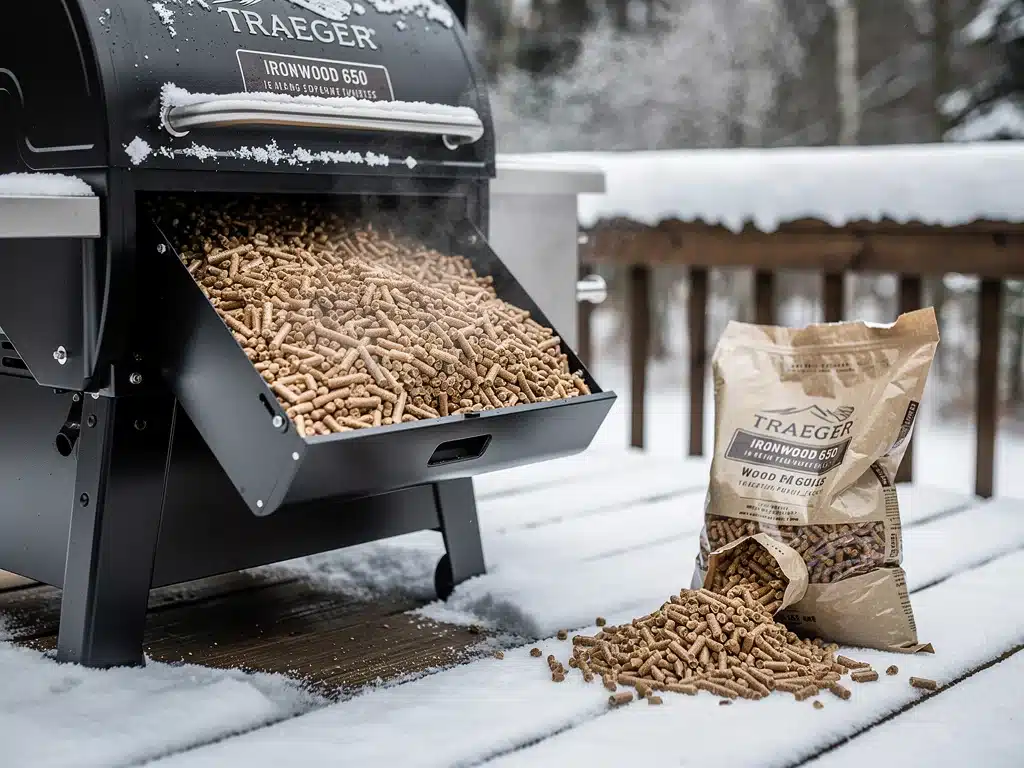
The large pellet hopper is also useful for long sessions because fewer refills are required. This becomes particularly convenient when users want to minimize time spent outside.
Overall User Experience in Winter
The Ironwood 650’s construction provides a solid and stable platform for repeated winter cooking. Its combination of physical insulation and electronic controls simplifies operation in difficult weather.
Routine cleaning remains necessary after winter use, particularly when snow and moisture are present. Maintaining the grill properly supports reliable operation through repeated cooking sessions.
- The digital controls remain accessible during cold-weather use.
- The larger hopper reduces the frequency of pellet refills.
- The construction supports repeated outdoor operation.
Overall usability benefits from the combination of automated temperature control, remote monitoring, and fuel capacity. These features can make prolonged winter grilling more manageable.
| Key Aspect | Performance Summary |
|---|---|
| Temperature Stability | Maintains target temperatures within approximately 5-10°F in tested sub-zero conditions. |
| Pellet Consumption | Testing indicated an increase of approximately 15-20% per 10°F drop below freezing. |
| Key Features | Double-walled insulation, D2 controller, TurboTemp, and WiFIRE technology. |
| User Experience | Remote monitoring, straightforward controls, and a large pellet hopper support winter use. |
Frequently Asked Questions About Sub-Zero Traeger Grilling
Yes, the testing described in this Traeger Ironwood 650 Review indicates strong temperature stability. The double-walled insulation and D2 controller helped the grill remain within approximately 5-10°F of the selected temperature during freezing conditions.
Pellet consumption increases as temperatures fall. The tests described here indicated an approximate 15-20% increase in pellet consumption for every 10°F decline below freezing, making additional fuel important during extended cooking sessions.
Additional insulation, such as a suitable thermal blanket, can help limit heat loss in very cold conditions. A durable grill cover is also useful for protecting the Ironwood 650 from snow and moisture while it is not being used.
The WiFIRE system provides remote access to temperature readings and supported grill controls. This can reduce unnecessary trips outside and minimize lid openings, helping users manage cooking sessions more conveniently during freezing weather.
Regular cleaning, removal of snow or moisture, covered storage, and keeping pellets dry are important winter maintenance practices. Inspecting the auger, fan, and igniter periodically can also help identify potential problems before the next cook.
Impact and Implications
This Traeger Ironwood 650 Review indicates that the grill can continue operating effectively in freezing conditions. Its insulation and controller help address several challenges associated with cold-weather pellet grilling.
Users should nevertheless expect greater pellet consumption and longer stabilization periods as outdoor temperatures fall. Planning around those differences can make winter cooking more predictable.
Future pellet-grill designs may continue improving insulation and fuel management for colder climates. Readers comparing related equipment can also explore this Traeger Ironwood 650 Review reference.